Spring is when many dog owners suddenly notice fur everywhere. It ends up on the floor, the couch, your clothes, and somehow even in rooms your dog barely enters. If your dog seems to be shedding much more than usual right now, you are probably dealing with a normal seasonal coat change.
The good news is that you usually do not need an elaborate setup to manage it well. A simple routine, the right grooming tools, and a little consistency can make spring coat care much easier for both you and your dog.
Key takeaways
- Spring is a smart time to refresh your dog's grooming routine.
- Regular brushing is usually the biggest win during shedding season.
- The right brush depends on your dog's coat type, not what is most popular online.
- Bathing can help loosen dead hair, but overdoing it can make coat care harder.
- Short, repeatable grooming sessions work better than occasional long sessions.
- Some dogs benefit from a professional grooming reset at the start of the season.
Why spring grooming matters
Spring grooming is not only about reducing dog hair around the house. It also helps you stay ahead of loose undercoat, small tangles, muddy paws, and the mess that tends to come with warmer weather and more outdoor time.
For many dog owners, the biggest issue is not shedding itself. It is the lack of a routine. When brushing only happens after the coat already feels out of control, grooming becomes frustrating. When it becomes a normal part of the week, it feels much easier to manage.
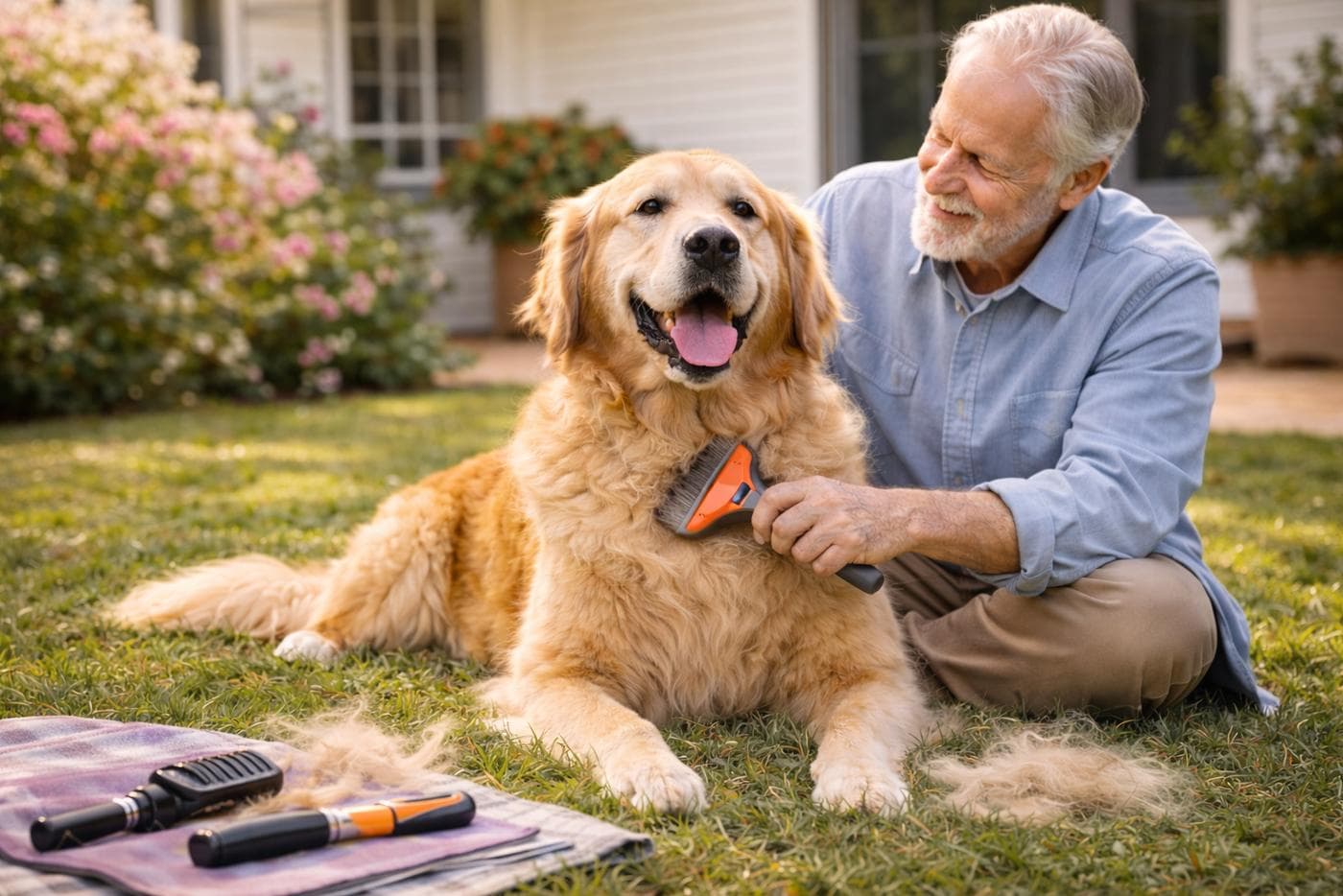
A simple brushing routine can make spring shedding much easier to manage before loose hair spreads all over the house.
Why do dogs shed more in spring?
Many dogs shed more heavily when the seasons change. In spring, that often means losing some of the thicker coat they carried through colder weather.
Some dogs shed lightly all year, while others go through a more dramatic seasonal change. Breed, coat type, indoor lifestyle, grooming habits, and even your local climate can affect how noticeable it feels.
That is why one dog owner may barely notice spring shedding while another feels like their dog is leaving fur everywhere every day.
Which dogs tend to shed the most in spring?
Every dog is different, but spring shedding often feels most intense in dogs with:
- double coats
- thick undercoats
- medium-to-long coats
- heavy seasonal coat changes
- feathering around the legs, chest, or tail
This often includes many retrievers, shepherds, huskies, collies, spitz-type breeds, and mixed breeds with dense coats.
That said, short-haired dogs can still shed a surprising amount. Their hair may be shorter, but it can stick to fabric even more stubbornly.
The best spring dog grooming routine at home
A good spring grooming routine does not need to be complicated. For most owners, this structure works well.
1. Start with brushing, not bathing
If your dog is actively shedding, brushing should usually come first. It removes loose hair before it spreads through your home and helps you identify thicker areas of coat that need extra attention.
A quick brush once in a while helps a little. A consistent brushing schedule helps much more.
2. Brush more often during shedding season
A practical starting point looks like this:
- Light shedders: 2 to 3 times per week
- Moderate shedders: 3 to 4 times per week
- Heavy seasonal shedders: short daily sessions
The key is keeping sessions manageable. Ten calm minutes several times a week is usually more effective than one long session every two weeks.
3. Use the right brush for your dog's coat
One common mistake is using the same brush on every coat type.
In general:
For short coats
Use a rubber grooming tool, grooming glove, or soft bristle brush.
For medium coats
A slicker brush or pin brush often works well, depending on coat texture.
For double coats
Use an undercoat rake carefully, followed by a slicker or pin brush for finishing.
For curly or mat-prone coats
Use a slicker brush and comb combination, and work in smaller sections.
Brush in layers, not just on top
One reason some owners feel like brushing does not help is that they only smooth the top layer of the coat.
Instead:
- Start with one section of the body.
- Part the coat gently.
- Brush in small layers from closer to the skin outward.
- Move gradually across the body.
This matters most for thick coats, long coats, and dogs with dense undercoats.
Focus on the areas that need the most attention
Spring grooming gets easier when you pay extra attention to the places where loose fur and tangles build up first.
Check these areas carefully:
- behind the ears
- under the collar or harness
- chest feathering
- armpits
- belly
- back legs
- tail base
- between the toes
These are also the spots where dirt and moisture tend to collect more easily after walks.
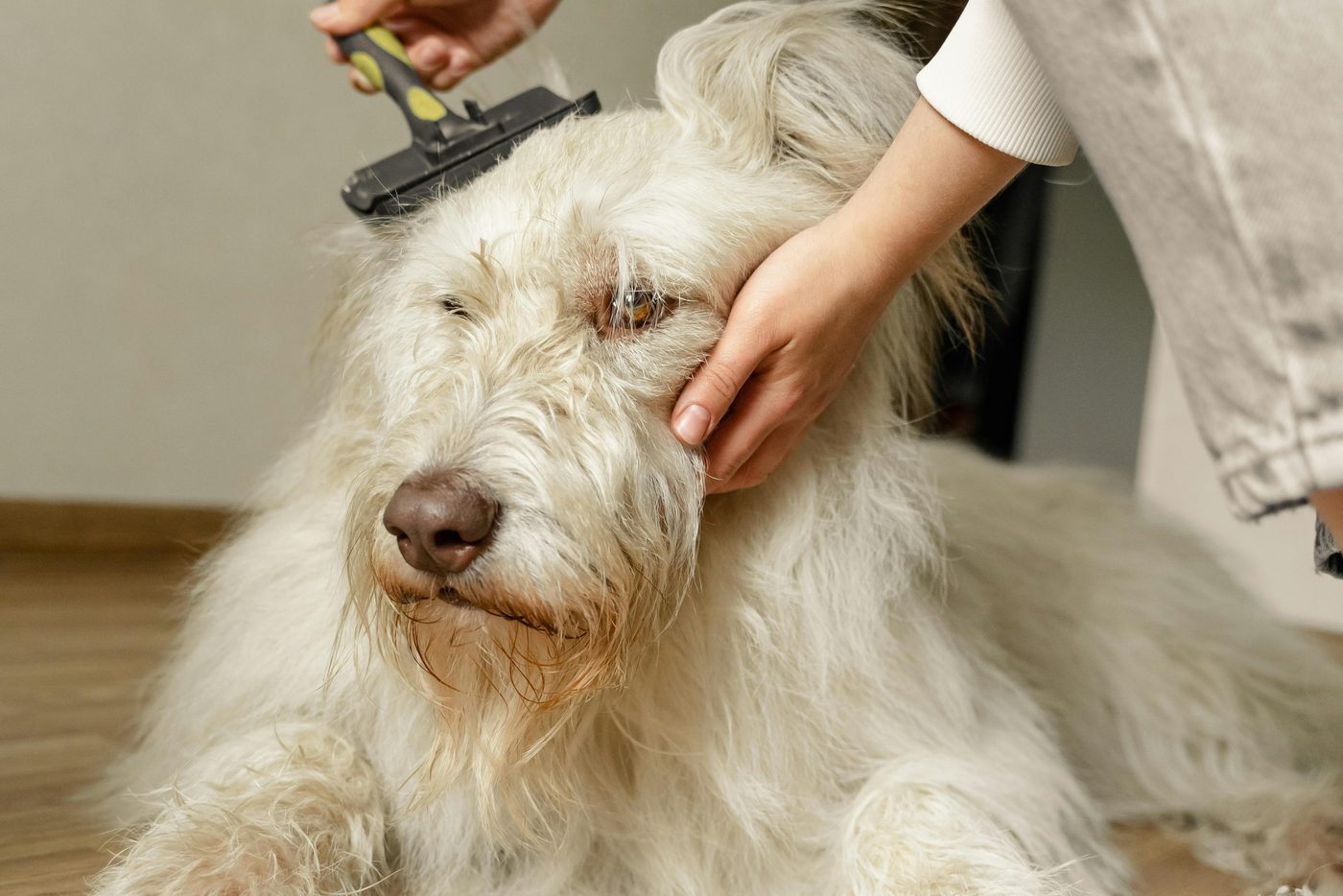
During shedding season, the right brush can remove a surprising amount of loose coat in just one short session.
Bathe strategically, not constantly
A bath can help loosen dead hair and freshen the coat during shedding season. But more bathing is not always better.
A better approach is to bathe your dog when they actually need it, then follow with a thorough brushing once the coat is mostly dry. That combination often removes much more loose hair than brushing alone.
Bathing too often just because your dog is shedding usually is not the answer.
Do a quick coat reset after walks
Spring grooming is not only about big brushing sessions. A quick reset after walks can make a big difference too.
Keep these near the door:
- a towel
- a paw cloth
- a grooming glove or brush
- a small mat for your dog to stand on
After muddy or grassy walks:
- wipe the paws
- check the lower legs
- brush off surface debris
- look under the collar or harness
- remove loose fur before your dog runs through the house
This simple habit helps keep both the coat and the house cleaner.
Make grooming easier for your dog
Dogs are easier to groom when the routine feels predictable and calm.
A few simple tips:
- groom at roughly the same time when possible
- use a calm voice
- reward stillness with treats or praise
- stop before your dog gets overwhelmed
- keep sessions short and positive
If your dog dislikes grooming, start with very short sessions and build from there. Even a calm two-minute session is progress.
Coat-type tips for spring grooming
Not every dog needs the same routine.
Short-coated dogs
Short coats may look low-maintenance, but they can still shed heavily. Frequent light brushing and quick coat wipes after walks usually help a lot.
Double-coated dogs
This is where spring grooming usually matters most. Focus on regular deshedding, brushing in layers, and staying ahead of trapped undercoat before it compacts.
Do not shave a double-coated dog just because spring shedding feels frustrating. It is usually better to manage the coat properly than remove it.
Long-haired dogs
Long coats often need slower, section-by-section brushing. A comb check after brushing can help catch tangles you might not see right away.
Curly-coated dogs
Curly coats may not leave obvious fur everywhere, but they still need regular grooming. Loose hair can stay trapped in the coat instead of falling to the floor.
Common spring grooming mistakes
A lot of unnecessary frustration comes from the same few habits.
Grooming too aggressively
More force does not mean better results. Rough brushing can make your dog resist grooming even more.
Using the wrong tool
A tool that works well on one coat may be ineffective on another.
Waiting too long between sessions
The longer you wait, the harder the job becomes.
Bathing too often
A fresh-smelling dog is nice, but frequent baths are not always helpful during shedding season.
Ignoring harness and collar areas
These spots are easy to miss and often trap loose hair early.
When to book a professional groomer
Home grooming is enough for many dogs, but sometimes a professional groomer makes the process much easier.
Consider booking one if:
- your dog has a very heavy undercoat
- the coat is starting to mat
- your dog is too stressed for effective home grooming
- you are not confident using deshedding tools
- you want a full seasonal reset and easier maintenance afterward
A professional session at the start of spring can make at-home grooming much more manageable for the rest of the season.
How to reduce dog hair around the house in spring
You cannot stop shedding completely, but you can reduce how overwhelming it feels.
Try this simple combination:
- brush before loose hair spreads
- wash dog bedding regularly
- vacuum high-traffic fabric areas more often
- keep a lint roller in your main living space
- use washable blankets on favorite dog spots
- wipe paws and coat after messy walks
These small habits support your grooming routine and make the whole season feel easier.
A simple weekly spring grooming schedule
Here is a realistic schedule many dog owners can actually maintain.
Monday
Quick coat check and 10-minute brushing session
Wednesday
Brush problem areas and wipe paws after walks
Friday
Full-body brushing session
Weekend
Bath if needed, then brush again once the coat is dry enough
You do not need a perfect schedule. You just need one that happens consistently.
FAQ
Why do dogs shed more in spring?
Many dogs naturally shed more when the season changes and they lose some of the heavier coat they carried in colder weather.
How often should I brush my dog during shedding season?
That depends on coat type and shedding level, but many dogs benefit from brushing several times a week in spring. Heavy shedders often do best with short, regular sessions.
Should I bathe my dog more often in spring?
Not necessarily. Bathe when needed, not simply because your dog is shedding. A bath followed by brushing can help, but frequent baths are usually not the best solution.
What brush is best for a shedding dog?
It depends on the coat type. Short coats, long coats, double coats, and curly coats usually need different grooming tools.
When should I use a professional groomer?
A groomer can help when shedding is intense, the coat is matted, or home grooming feels too stressful for you or your dog.
Conclusion
The best spring dog grooming tips are usually the simplest ones: brush more consistently, use the right tool for your dog's coat, keep sessions short, and stay ahead of loose hair before it spreads all over your home.
Spring shedding can feel dramatic, but it becomes much more manageable when you stop treating grooming like an occasional emergency. Build a routine, focus on the areas that need the most attention, and keep your expectations realistic. A little steady grooming goes a long way.
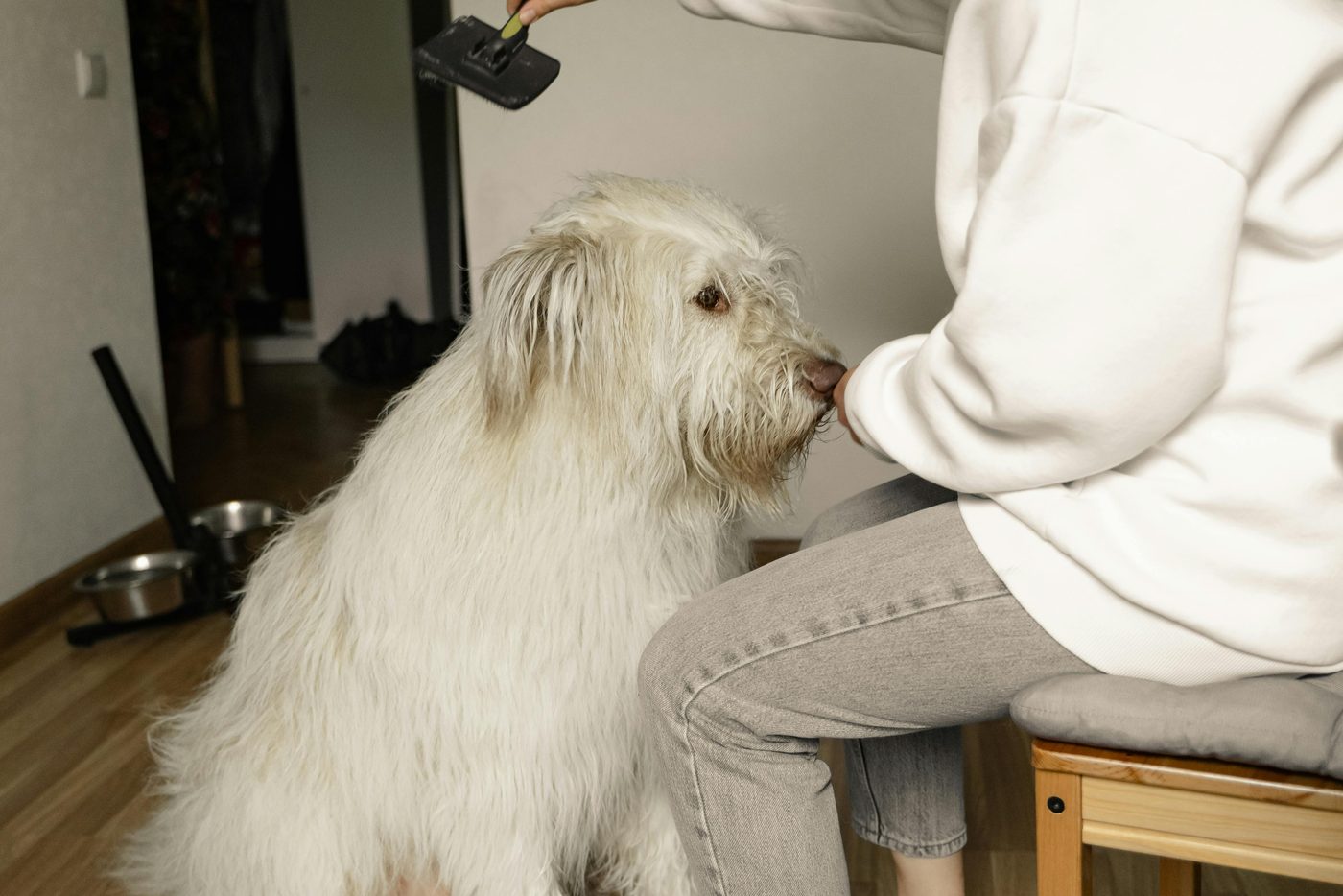
Spring grooming does not need to be complicated. A calm routine and the right tools are usually enough to keep shedding under control.