Rainy days, busy evenings, and indoor weeks can make even the easiest dog feel restless. When walks get shorter or outdoor play is limited, many owners start looking for simple ways to keep their dog engaged at home.
That is where indoor scent games can help. They are easy to set up, surprisingly effective, and much more practical than trying to invent a complicated activity every time your dog seems bored. Best of all, most dogs already love using their nose, so these games often feel natural from the start.
Key takeaways
- Indoor scent games are one of the easiest ways to add mental enrichment at home.
- You do not need expensive gear to get started.
- Simple setups like treat searches, box games, and hide-and-seek work well for beginners.
- Short sessions are usually better than long, frustrating ones.
- You can adapt most scent games for puppies, adult dogs, and small living spaces.
- The goal is not perfection. It is giving your dog a fun, rewarding job to do.
Why indoor scent games work so well
A lot of indoor dog activities focus on burning physical energy, but mental activity matters too. Scent games give dogs a chance to slow down, search, problem-solve, and stay engaged without needing a huge room or a full backyard.
That is one reason nose work is so useful for:
- rainy days
- apartment living
- busy workdays
- dogs recovering from overstimulation outdoors
- owners who need low-prep enrichment ideas
Indoor scent games also tend to feel calmer than rough indoor play. Instead of turning your living room into a wrestling ring, you are giving your dog a task that channels focus.
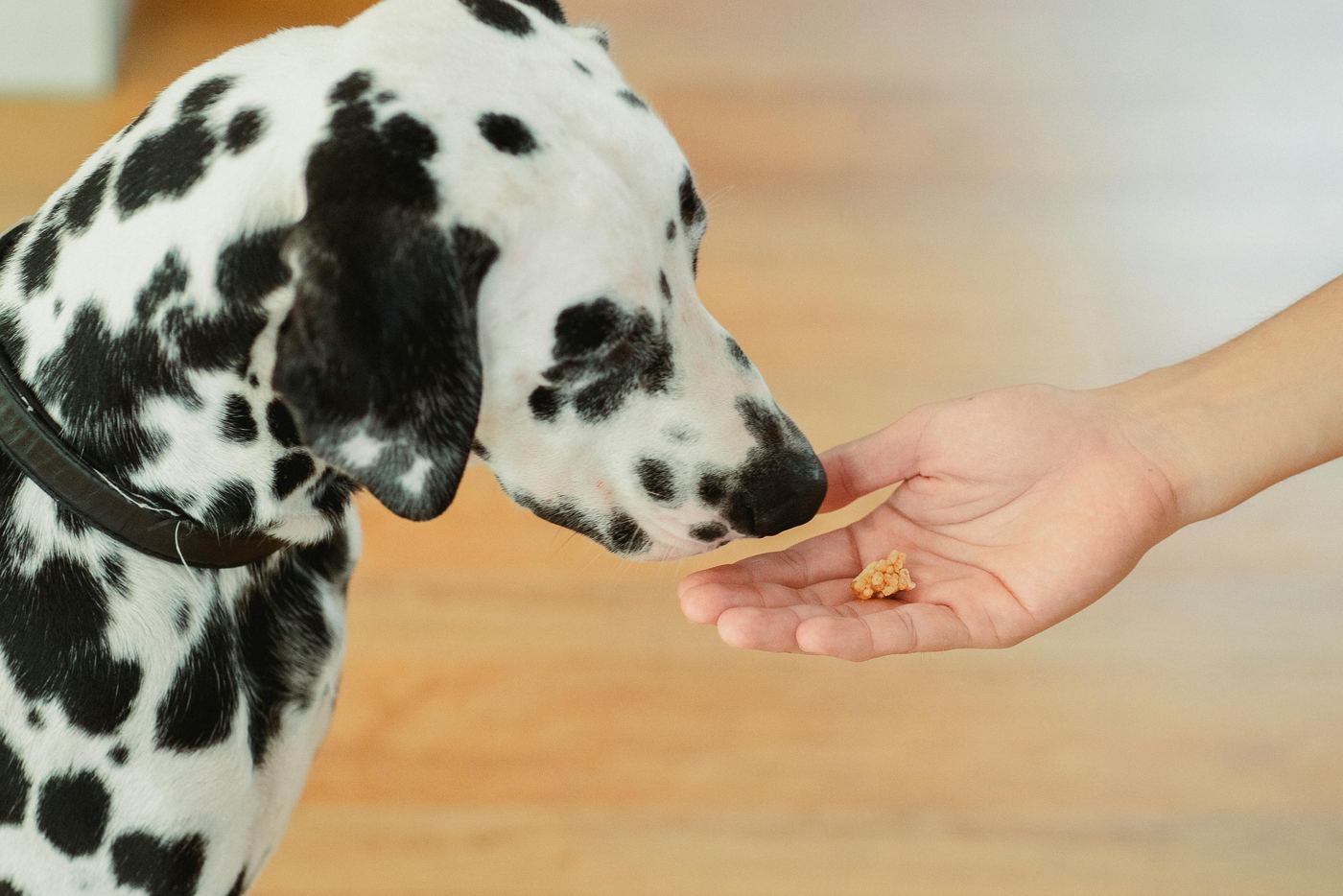
A simple indoor scent game can turn an ordinary room into a fun enrichment activity for your dog.
Do you need special equipment?
No. That is one of the best things about this topic.
You can start with items you already have at home, such as:
- a few treats
- cardboard boxes
- cups or containers
- a towel
- a blanket
- your dog's favorite toy
Later, if you enjoy this kind of training, you can add snuffle mats, puzzle toys, or more structured scent-work tools. But for a blog reader looking for easy wins, the no-equipment version is usually the best place to begin.
7 indoor scent games for dogs
These are practical games that most owners can try without much setup.
1. The treat toss search
This is the easiest starting point.
Toss one treat a short distance away and let your dog find it. Once they understand the game, toss treats into slightly harder places, like near furniture legs or just behind a chair.
Why it works:
- extremely simple for beginners
- helps dogs understand that sniffing is the job
- great for puppies and adult dogs
This is the kind of game you can do in under two minutes when you need a fast reset.
2. The cup game
Take three cups or small containers and hide a treat under one of them. Let your dog sniff and choose.
Once your dog understands the game, you can:
- shuffle the cups slowly
- add more cups
- use a favorite toy instead of a treat
This works especially well for dogs who enjoy watching, searching, and making a clear choice.
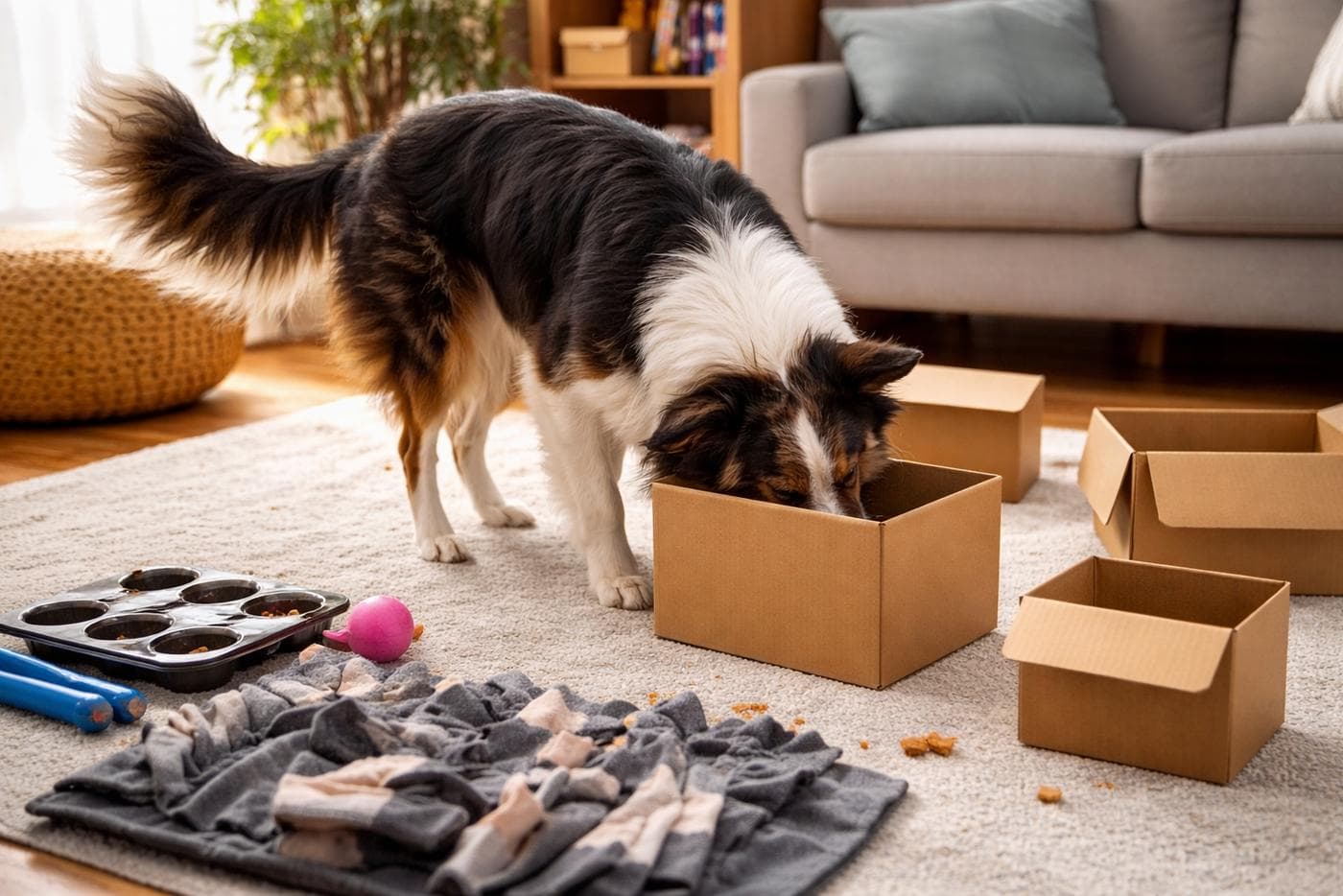
3. Cardboard box search
Set out a few empty boxes and place a treat in one of them. Let your dog inspect the boxes and find the reward.
To make it harder over time:
- add more boxes
- close some flaps loosely
- hide the treat deeper inside
- place boxes in different parts of the room
This is one of the easiest ways to build a basic nose work habit at home.
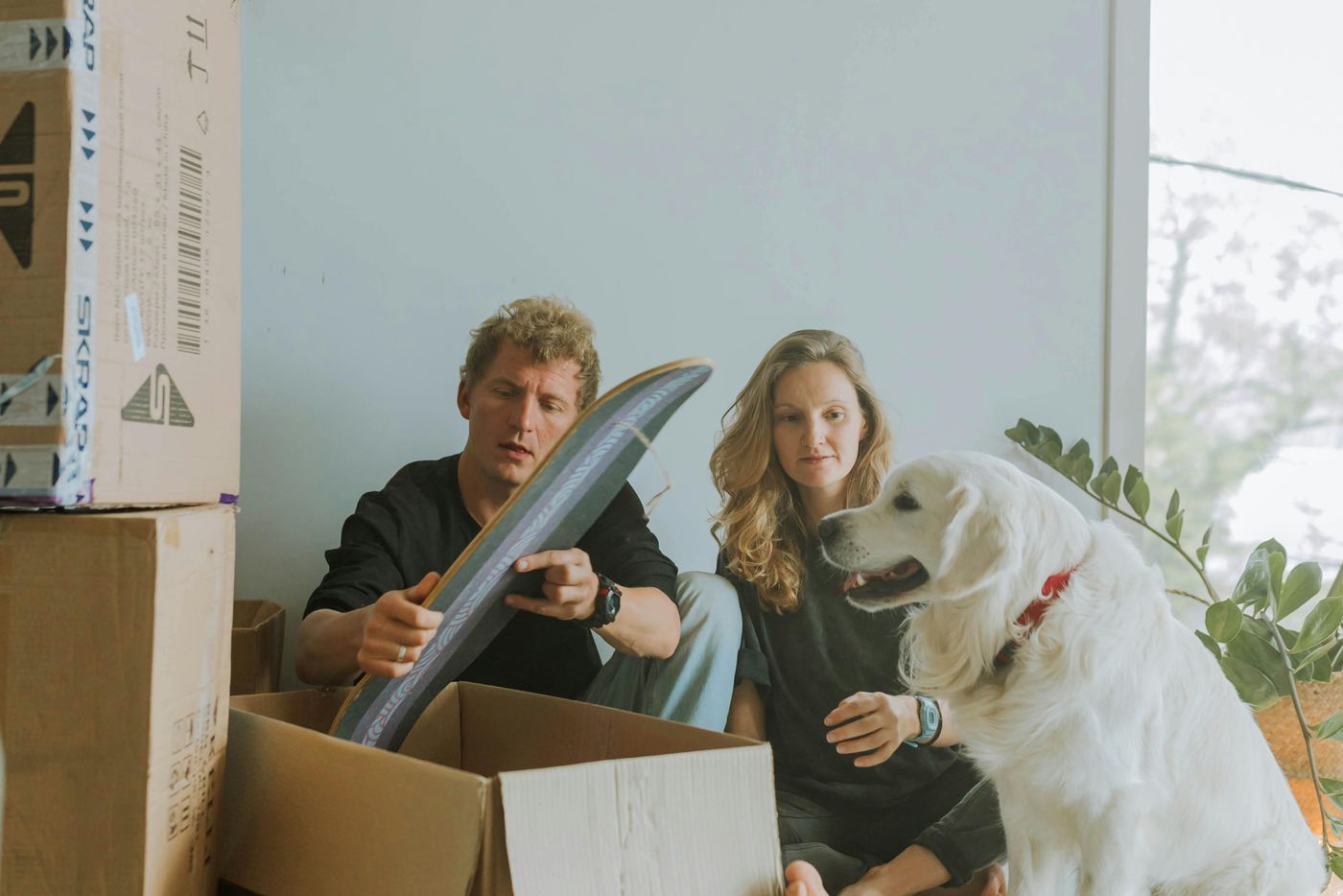
Box searches are one of the easiest ways to start indoor nose work without buying extra gear.
4. Towel roll-up game
Lay out a towel, scatter a few treats on it, then roll or fold the towel so your dog has to sniff and unroll it.
You can make it more interesting by:
- folding the towel multiple times
- hiding treats deeper in the layers
- using a blanket for a bigger challenge
This is a useful option when you want something calm and low effort.
5. Hide-and-seek with treats
Instead of putting treats in plain sight, hide them around one room and encourage your dog to search.
Start easy. Place treats where your dog can find them with a little effort, not in impossible hiding spots.
Good beginner locations:
- next to a table leg
- near the edge of a rug
- behind a door that is slightly open
- beside a toy basket
As your dog improves, you can increase the difficulty.
6. Hide-and-seek with you
This classic game is simple and effective. Ask your dog to stay, hide in another room, then call them to find you.
This game works best for dogs who already know a few basic cues, especially:
- stay
- come
- wait
It adds both movement and mental engagement, which makes it a great rainy-day activity.
7. Toy scent search
If your dog is highly toy-motivated, hide a favorite toy instead of food.
This works well for dogs who:
- are less interested in treats
- love retrieving
- get excited by specific toys
- need variety in their enrichment routine
Start with easy hiding places so your dog understands that the toy itself is the target.
How to start nose work at home without confusing your dog
The biggest beginner mistake is making the game too hard too quickly.
A better approach looks like this:
Step 1: Make the reward obvious
Let your dog see the treat or toy at first. The goal is to help them understand that searching is part of the game.
Step 2: Use one room only
Do not start by hiding items all over the house. Keep the search area small so your dog can succeed.
Step 3: Increase difficulty slowly
Once your dog understands the idea, make the hiding spots a little more challenging. Increase one variable at a time.
Step 4: End while your dog is still engaged
Do not keep going until your dog is tired, distracted, or frustrated. Stopping early often makes the next session better.
A 10-minute indoor enrichment routine
If your readers want something repeatable, this kind of short routine works well.
Minute 1 to 2: easy warm-up
Do two or three simple treat tosses or an easy cup game.
Minute 3 to 5: main search game
Use the cardboard box search or a one-room treat hide.
Minute 6 to 8: second challenge
Try a towel game, toy search, or a slightly harder box setup.
Minute 9 to 10: easy win and finish
End with one easy find so your dog finishes feeling successful.
This kind of short structure is helpful because it feels realistic for busy owners.
Best scent games for small spaces
You do not need a large home to do nose work.
If you live in an apartment or small space, try:
- cup games
- towel games
- one-box searches
- short treat hides in one room
- hide-and-seek across a hallway or bedroom
The trick is not making the space bigger. It is making the challenge clearer.
Are scent games good for puppies?
Yes, as long as you keep things simple.
For puppies, focus on:
- short sessions
- visible rewards at first
- easy hiding spots
- calm praise
- stopping before they lose focus
Avoid turning it into a high-pressure training drill. The point is to build curiosity and confidence.
Common mistakes with indoor scent games
A lot of owners try one scent game, feel like it did not work, and stop there. Usually the problem is not the idea. It is the setup.
Making the hides too difficult
If your dog has never done this before, starting with advanced hiding spots just creates frustration.
Helping too much
A little encouragement is fine, but constantly pointing or leading your dog removes the puzzle.
Repeating the same game too often
Dogs often enjoy repetition, but mixing in different formats keeps enrichment more interesting for both of you.
Using sessions that are too long
Five focused minutes is often more useful than twenty minutes of confusion.
Expecting perfect “alerts”
At-home scent games do not need to look like competition scent work. Your dog does not need a polished indication behavior to benefit.
How often should you do indoor scent games?
You do not need to do them every day to see value. Even a few short sessions each week can make a difference.
A realistic schedule might be:
- 2 to 3 sessions per week for casual enrichment
- 5-minute mini sessions on rainy days
- one short search after dinner when your dog seems restless
- a weekend routine with a slightly bigger game setup
Consistency matters more than complexity.
Indoor scent games vs. puzzle toys
Both can be useful, but they are not identical.
Puzzle toys
- usually more structured
- often involve pawing, nudging, or licking
- useful for solo engagement
Scent games
- feel more active and search-based
- often involve the whole room
- build focus through sniffing and problem-solving
- can be more interactive for owner and dog together
That is why scent games are a strong addition to an enrichment routine, even if your dog already has puzzle toys.
FAQ
What are indoor scent games for dogs?
Indoor scent games are simple activities that encourage your dog to use their nose to find treats, toys, or hidden items around your home.
Are scent games tiring for dogs?
They can be mentally engaging, which is one reason many owners find them useful on rainy days or during lower-activity routines.
Can puppies do nose work games?
Yes, but keep the games easy, short, and positive. Puppies do best when the challenge is simple and the reward is clear.
What is the easiest scent game to start with?
A treat toss or a simple cup game is usually the easiest place to begin.
Do I need special scent work kits?
No. You can start with treats, boxes, towels, and a few household items before deciding whether you want more advanced tools.
Conclusion
Indoor scent games for dogs are one of the easiest ways to add useful enrichment without overcomplicating your routine. They are flexible, low-cost, beginner-friendly, and easy to adapt to different dogs, homes, and schedules.
If your dog seems restless on rainy days or you simply want better at-home enrichment ideas, start small. One cup game, one treat search, or one cardboard box setup is enough to begin. Once your dog understands the game, you can build from there.
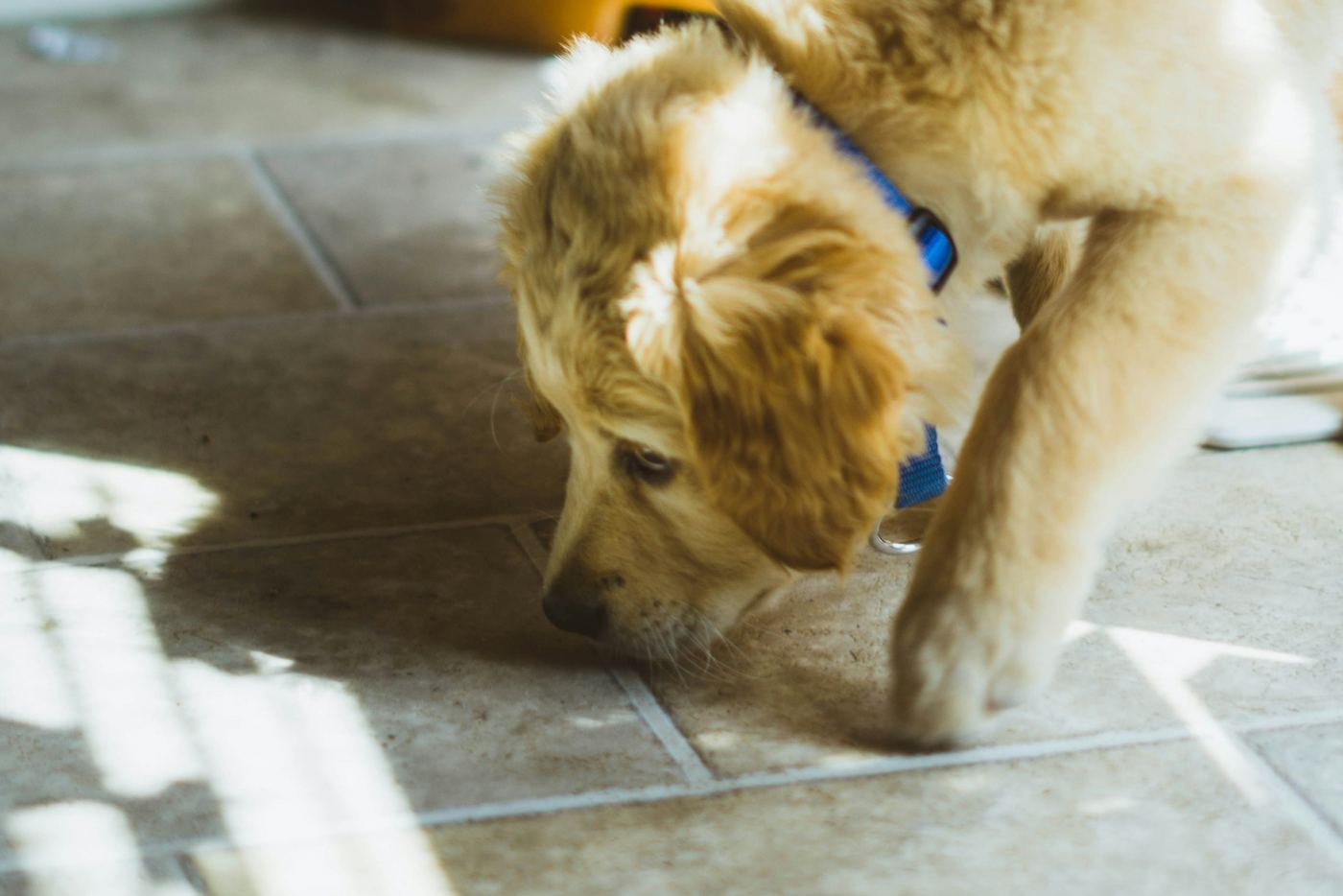
Indoor scent games do not need a complicated setup. A few treats and a small search area are often enough to get started.